Guide
How to date vintage Patagonia tags
Patagonia hides a surprising amount of history in its labels. Here's how we read them, with photos of real tags from pieces that have come through our shop, and an honest note on what a tag can't tell you.
Reviewed by Tripp on November 9, 2026
Start with the care label, not the logo
The big woven logo at the neck is the first thing people look at. It changed only gradually over the decades, though, so on its own it's a rough guide at best. The small white care label sewn into a side seam or under the neck label holds the useful information: a style number, often a season code, a colour code, the country of manufacture and the fibre content.
Reading the style number and season code
From about 1988, Patagonia labels carry a style number, usually five digits and sometimes preceded by "STY," "STYLE" or "ITEM." A season code sits right after it:
- F or FA means fall, and S means spring.
- Then comes the year: one digit on older labels, two on newer ones.
- "S8" reads as spring 1988, "FA99" as fall 1999 and "FA14" as fall 2014.
One of our photos shows STYLE:44263S5. That's style 44263, from a spring season ending in 5.
The catch with single digits. "S5" could be 1995 or 2005, and "S9" could be 1989 or 1999. The colour code helps. From around 1995, labels add a three- or four-letter colour code, like the BLK printed on the same tag, and TRUSS Archive notes the older labels don't have one. A colour code rules out the 1980s, but it can't separate 1995 from 2005. For that, look at the rest of the label: the wording, how many languages it's printed in, and the country of origin. For the S5 tag shown here, our best read is the mid-2000s, but we haven't confirmed it against a catalogue.
You can also search the style number online. It often brings up the original product name and season.
What doesn't help: RN 51884 and PO numbers
Every Patagonia garment carries RN 51884, Patagonia's registered identification number for textile labelling in the US. It's the same on a 1990s pile jacket and on last year's rain shell, so it tells you nothing about age. PO and cut numbers are production and repair references, and they won't date a piece either.
Country of origin
Collectors generally read "Made in USA" on the neck or care label as an earlier piece, from before most production moved overseas. Vintage Rare USA ties it to the early style-code era from about 1988. Since then you'll see a long list of countries. Ones we've photographed include Taiwan (printed "R.O.C." on some older tags), Mexico, China, Vietnam and Nicaragua. One label in our photos reads "Made in Mexico of U.S. Materials," meaning US fabric sewn in Mexico. Country alone is a hint, not proof. We don't yet have a reliable year range for each country.
Clues that put a label in the modern era
Some label text could only have been printed after a certain date. These clues set a no-earlier-than date:
- "MFG date and location at PCPSIA.com." Labels like this send you to an online lookup for the manufacturing date and place. TRUSS links the lookup to the 2008 Consumer Product Safety Improvement Act, so a label with this line is from roughly 2008 or later.
- "Common Threads Partnership." Patagonia launched the Common Threads Partnership, its reduce-repair-reuse-recycle pledge, in 2011. A care label naming it is from 2011 or later.
- "Recycled fishing nets" with the NetPlus mark. Patagonia says it has used NetPlus, a material made from recycled fishing nets, since 2020. The neck label on our photographed shorts carries it, so those are recent.
The neck label over time
The skyline logo, a mountain outline over bands of purple, blue and orange, has been part of the brand since the 1970s. It has been refined over the years: the lettering, the weight of the outline, the ® mark beside the name, and whether size and origin are on a separate tag. Some older pieces carry the size and origin on a small black tag next to the logo. Many newer ones put everything on the white care label.
We aren't publishing a year-by-year neck-label chart yet. We only show labels we've photographed ourselves, and our photos don't cover the 1970s and early 1980s. We'll add a dated timeline as we photograph more labels, rather than copy one we can't check.
A quick checklist
- Find the care label and look for a style number followed by a season code.
- Check for a three- or four-letter colour code. If there is one, the piece is from about 1995 or later.
- Note the country of origin. "Made in USA" leans earlier.
- Look for modern clues: a PCPSIA lookup line, Common Threads or NetPlus.
- Ignore the RN number and the PO number.
- Search the style number to confirm the product name and season.
Not sure about a tag? Email us a photo and we'll tell you what we see.
In the shop now
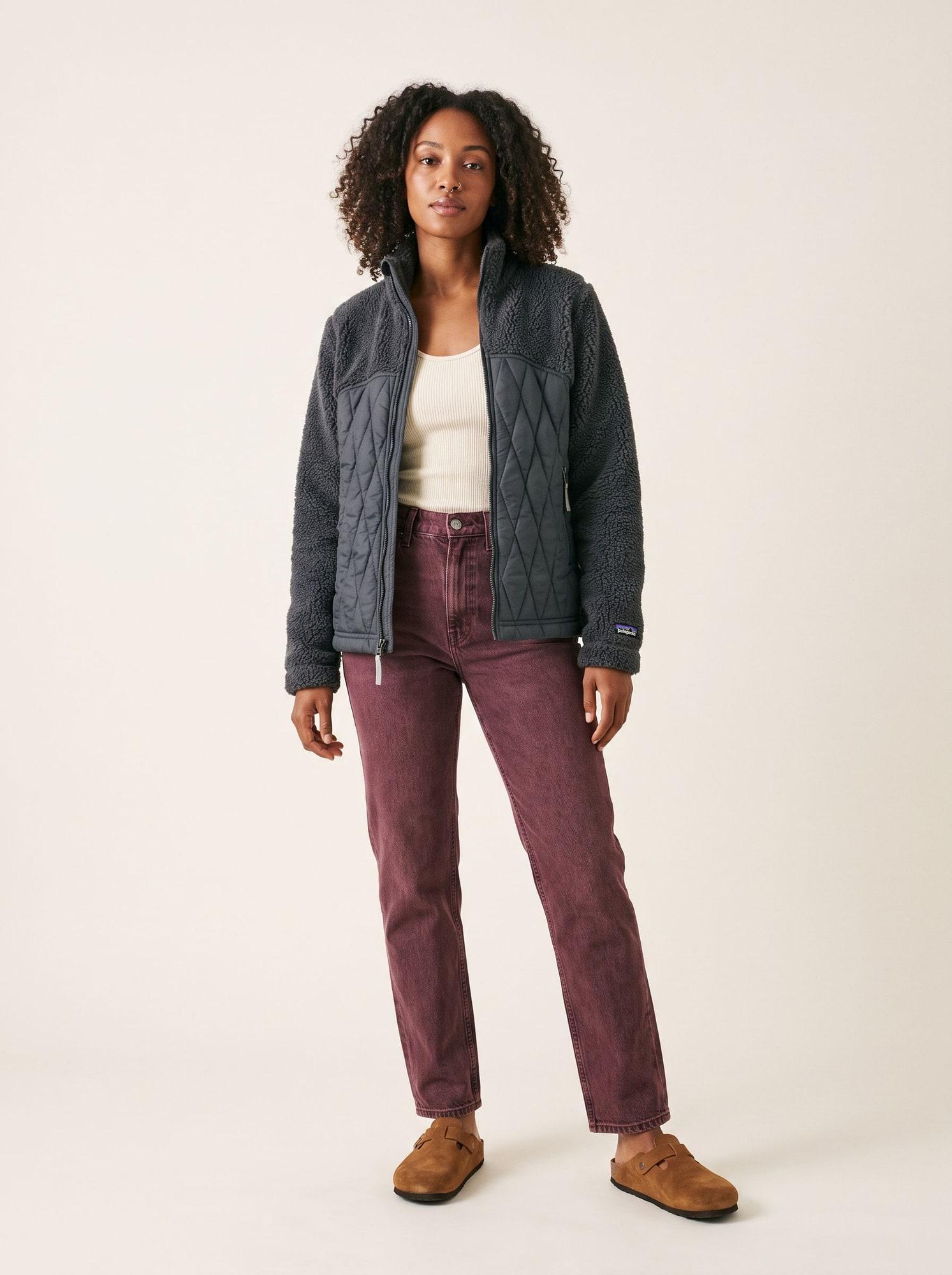 S
Patagonia
Deep Pile Fleece Insulated Puffer Jacket Black
$34Retail$199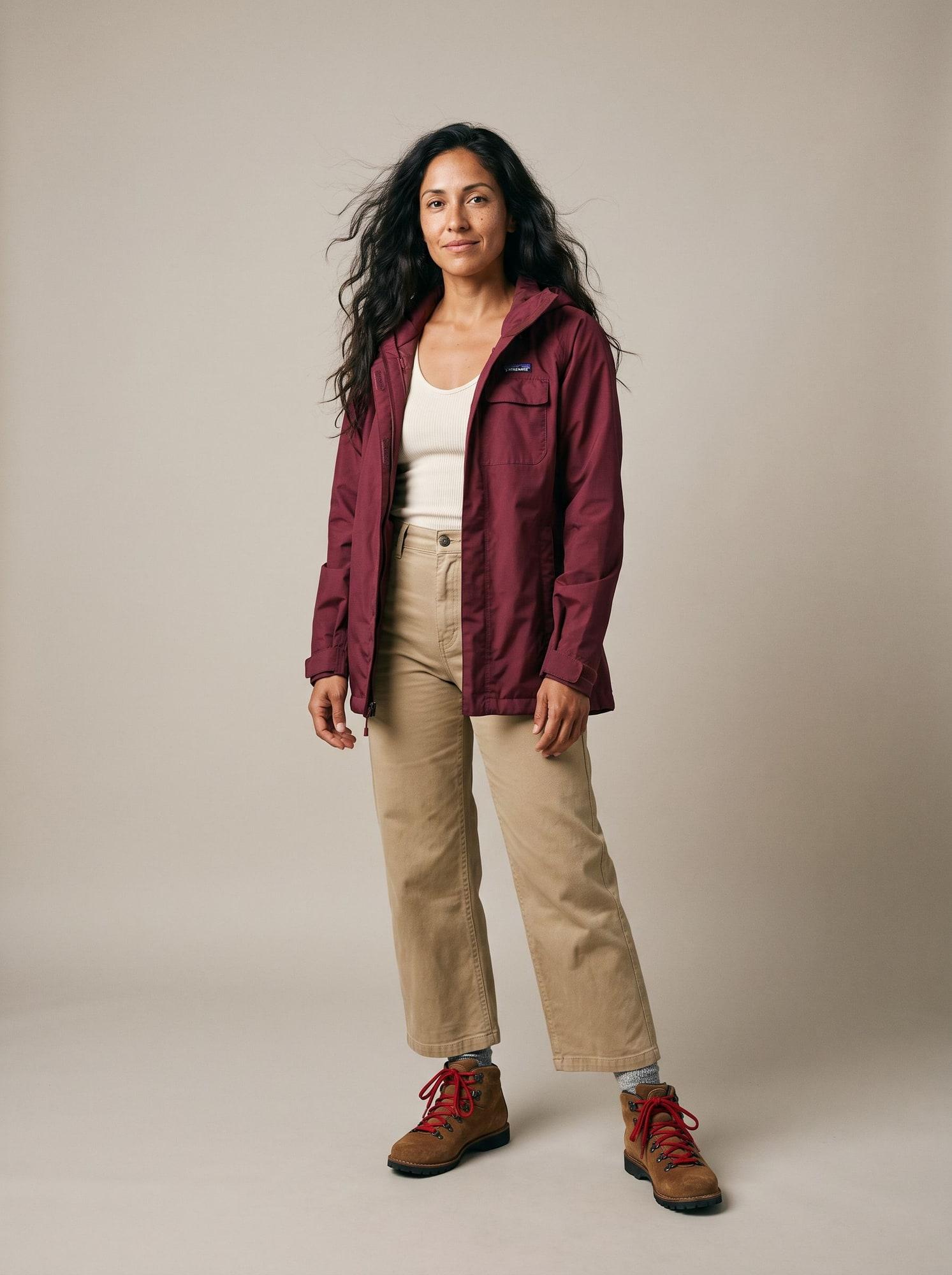 XS
Patagonia
Slate Sky Hooded Rain Jacket Maroon Red
$64Retail$150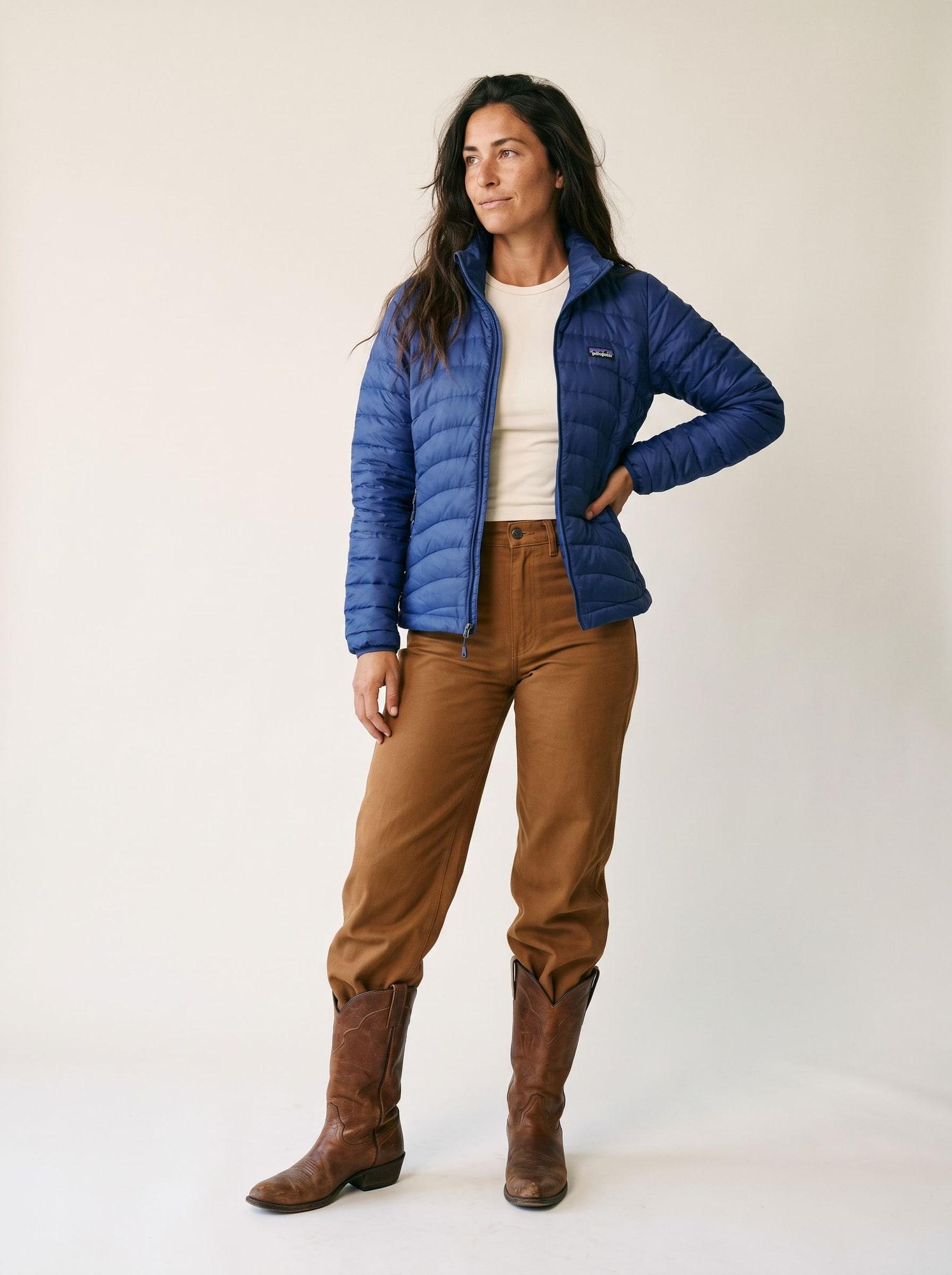 S
Patagonia
Down Sweater Puffer Jacket Blue Quilted Zip
$54Retail$229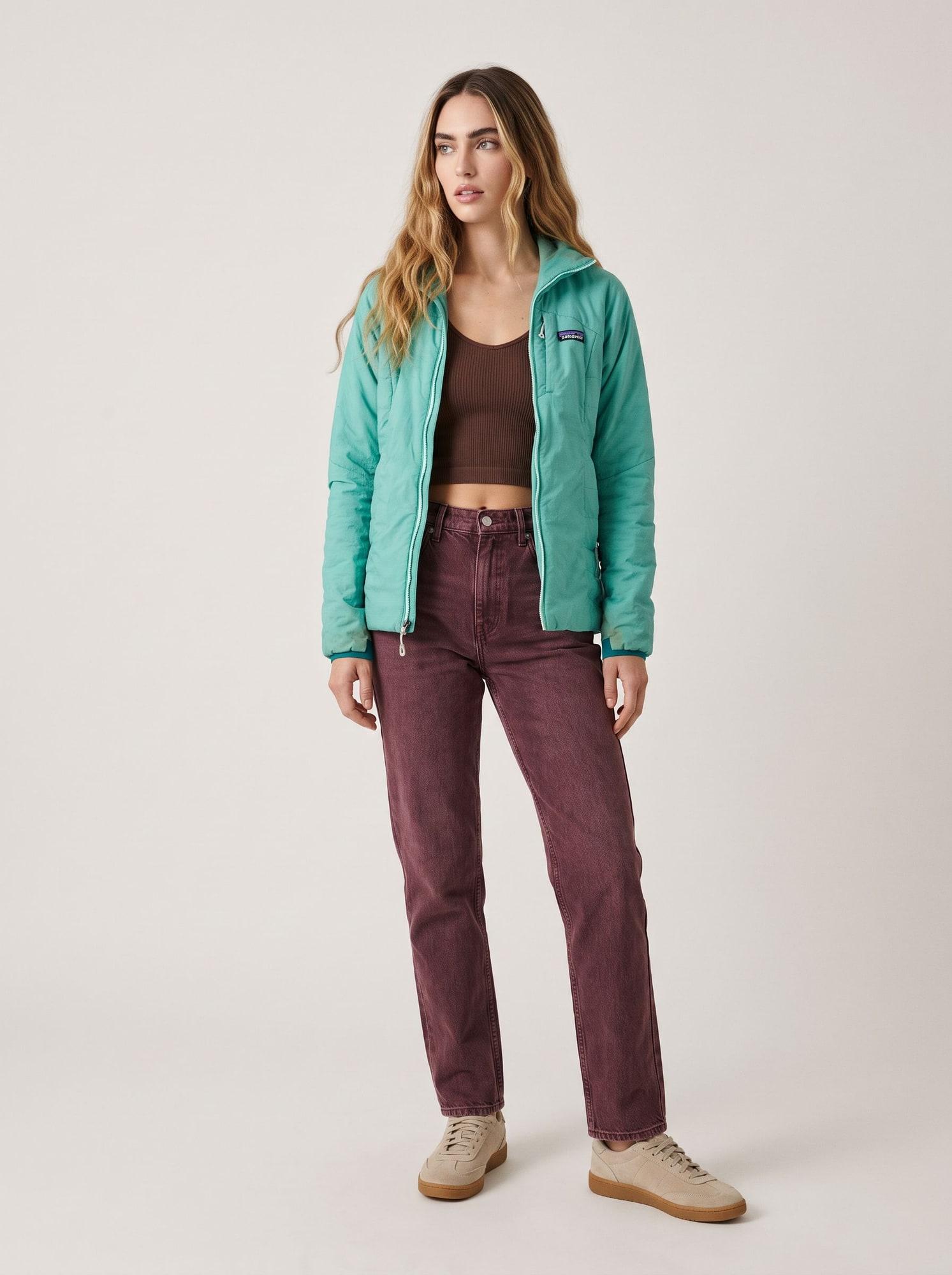 XS
Patagonia
Nano-Air Ultralight Puffer Jacket Green Full Zip
$54Retail$199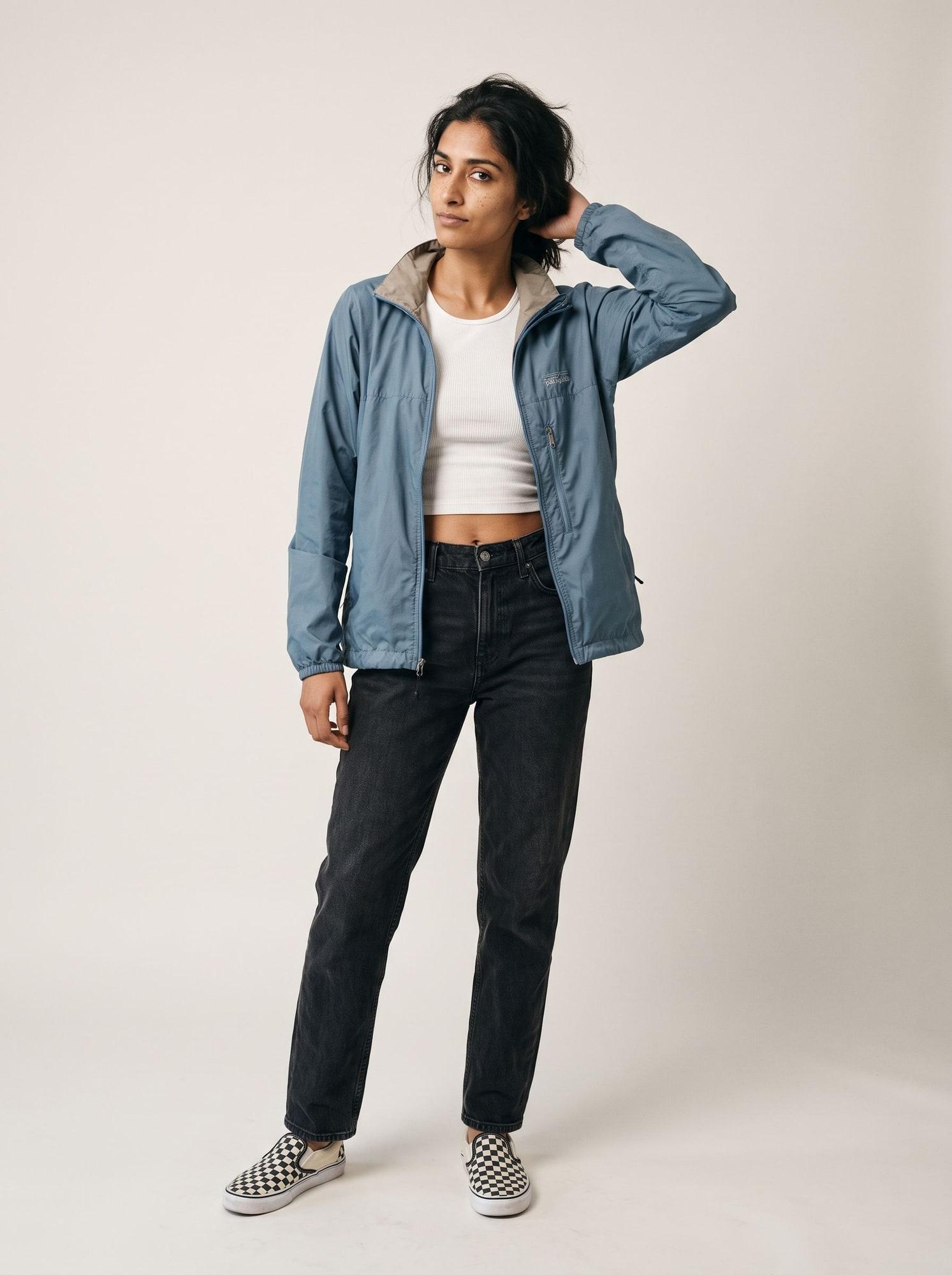 S
Patagonia
Rain Jacket Womens Hooded Zip Blue
$48Retail$129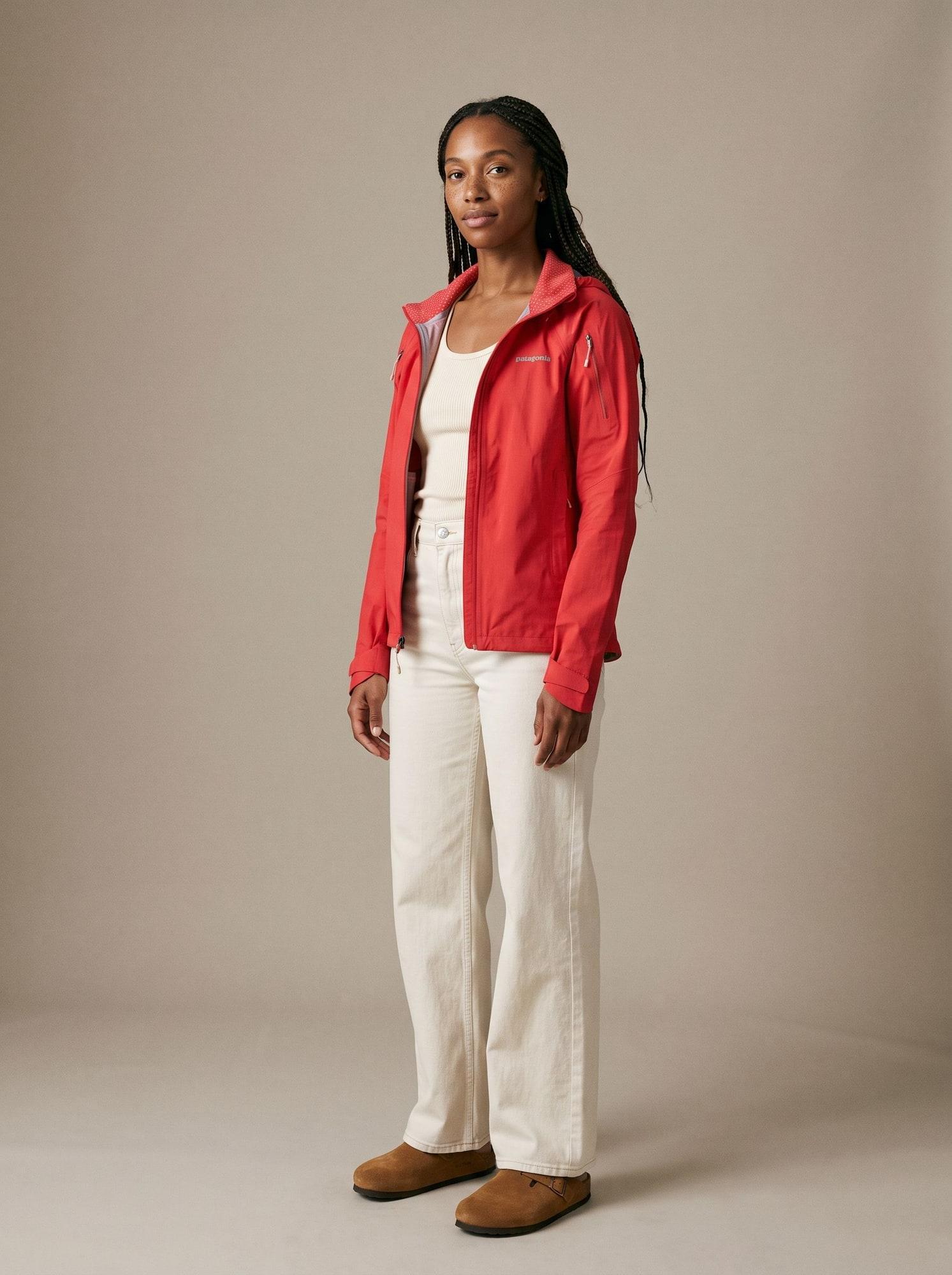 XS
Patagonia
Full Zip Hooded Rain Jacket In Red
$48Retail$150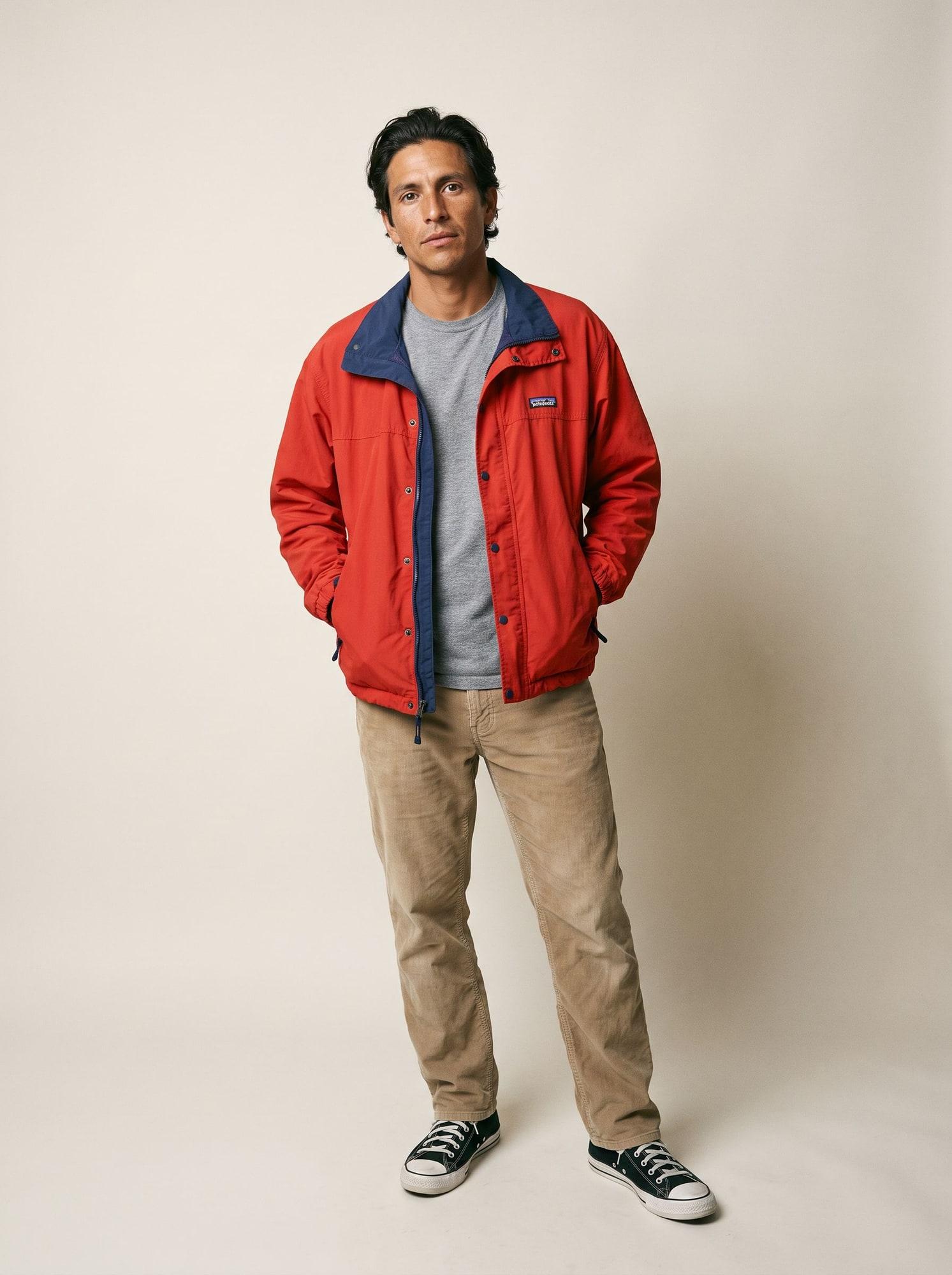 M
Patagonia
Red Lightweight Full-Zip Rain Jacket
$54Retail$149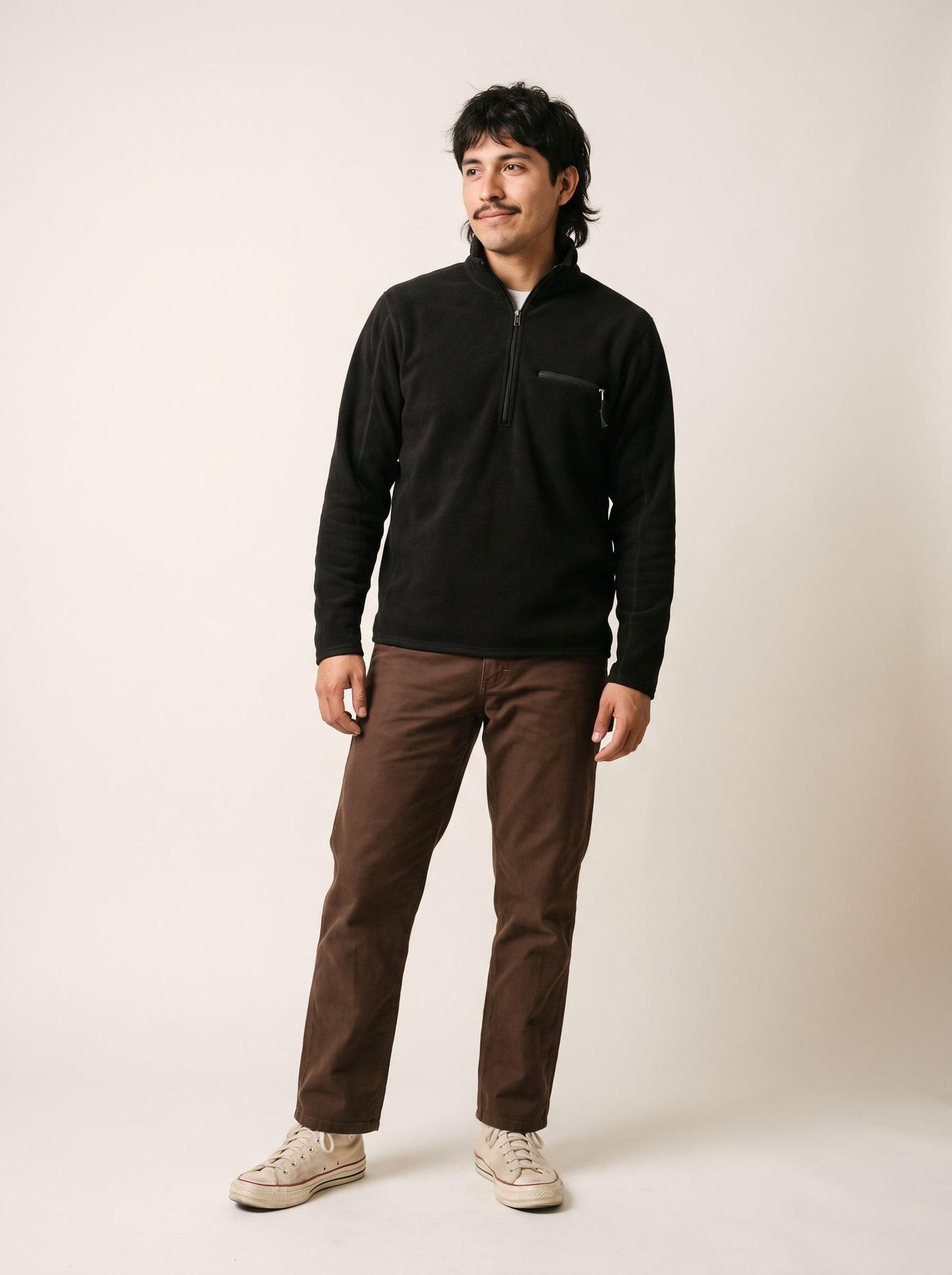 S
Patagonia
Better Sweater Black Fleece Half-Zip Pullover
$44Retail$139
Recently sold
Every piece is one of one. These found a home.
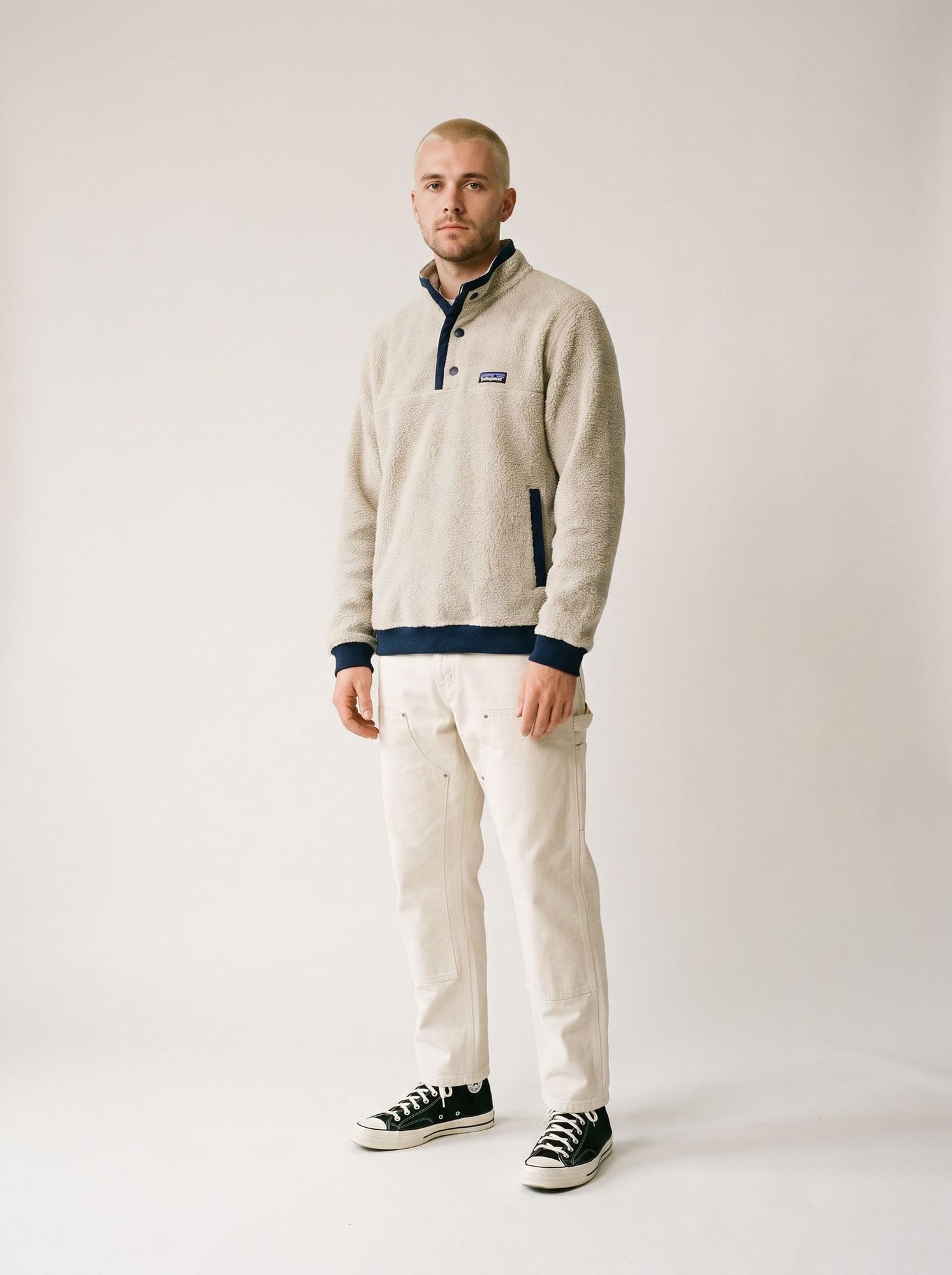 SSold
Patagonia
Shearling Fleece Beige Sherpa Snap Pullover
$44Retail$119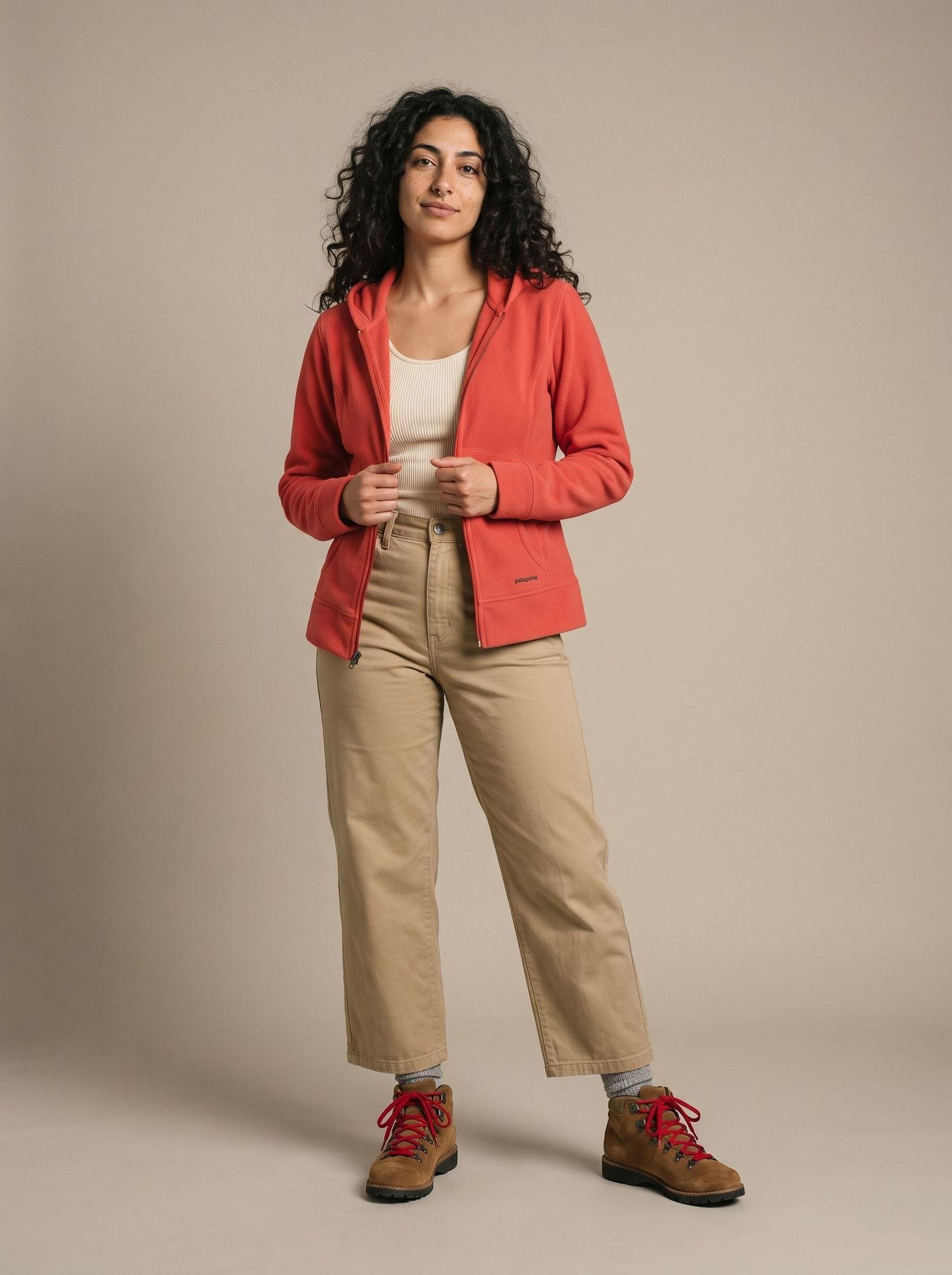 XSSold
Patagonia
Full Zip Fleece Hoodie Jacket Red
$44Retail$119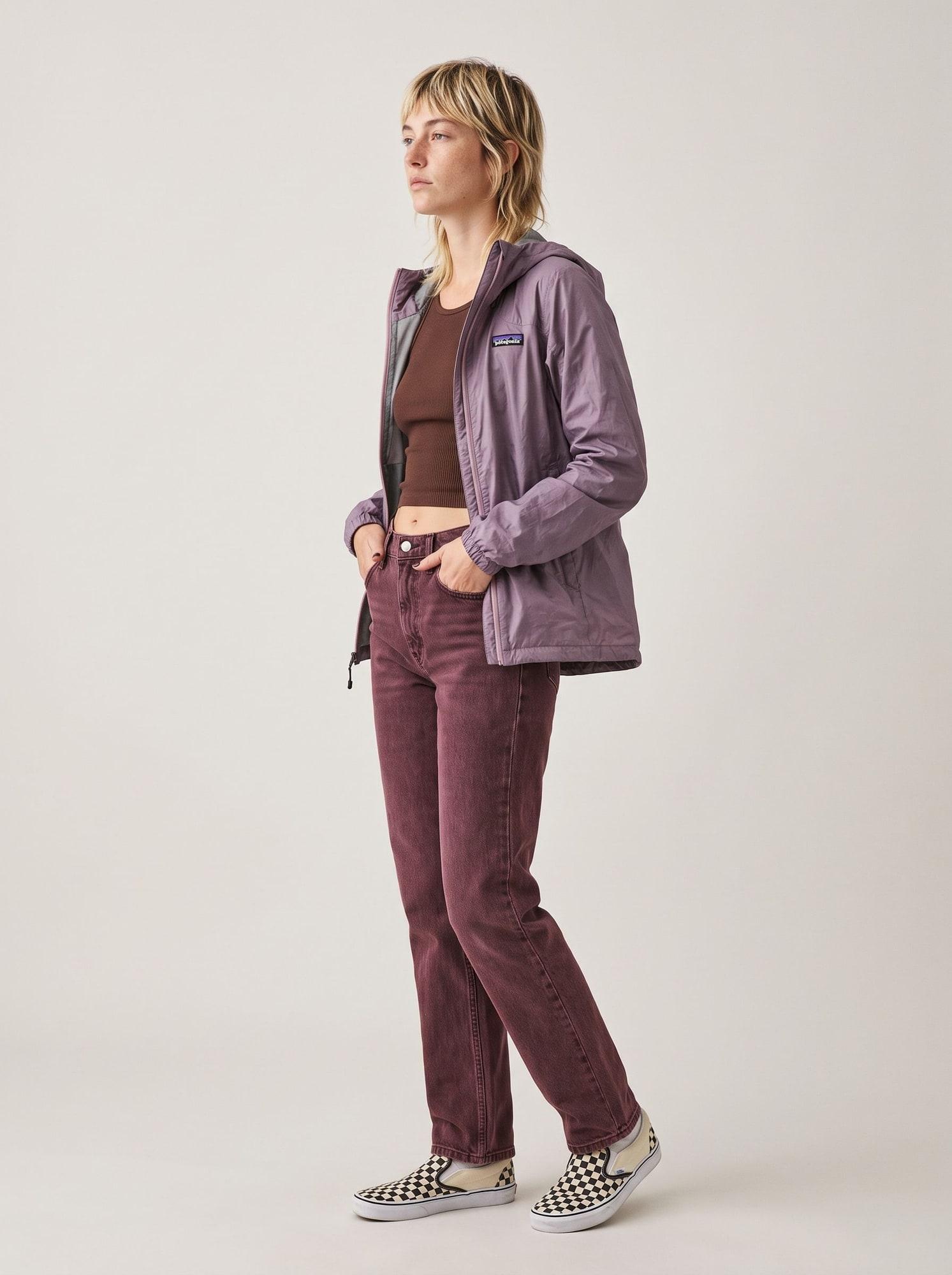 MSold
Patagonia
Women's Purple Hooded Nylon Windbreaker Jacket
$48Retail$129 LSold
Patagonia
Baggies Women's Black Shorts
$28Retail$55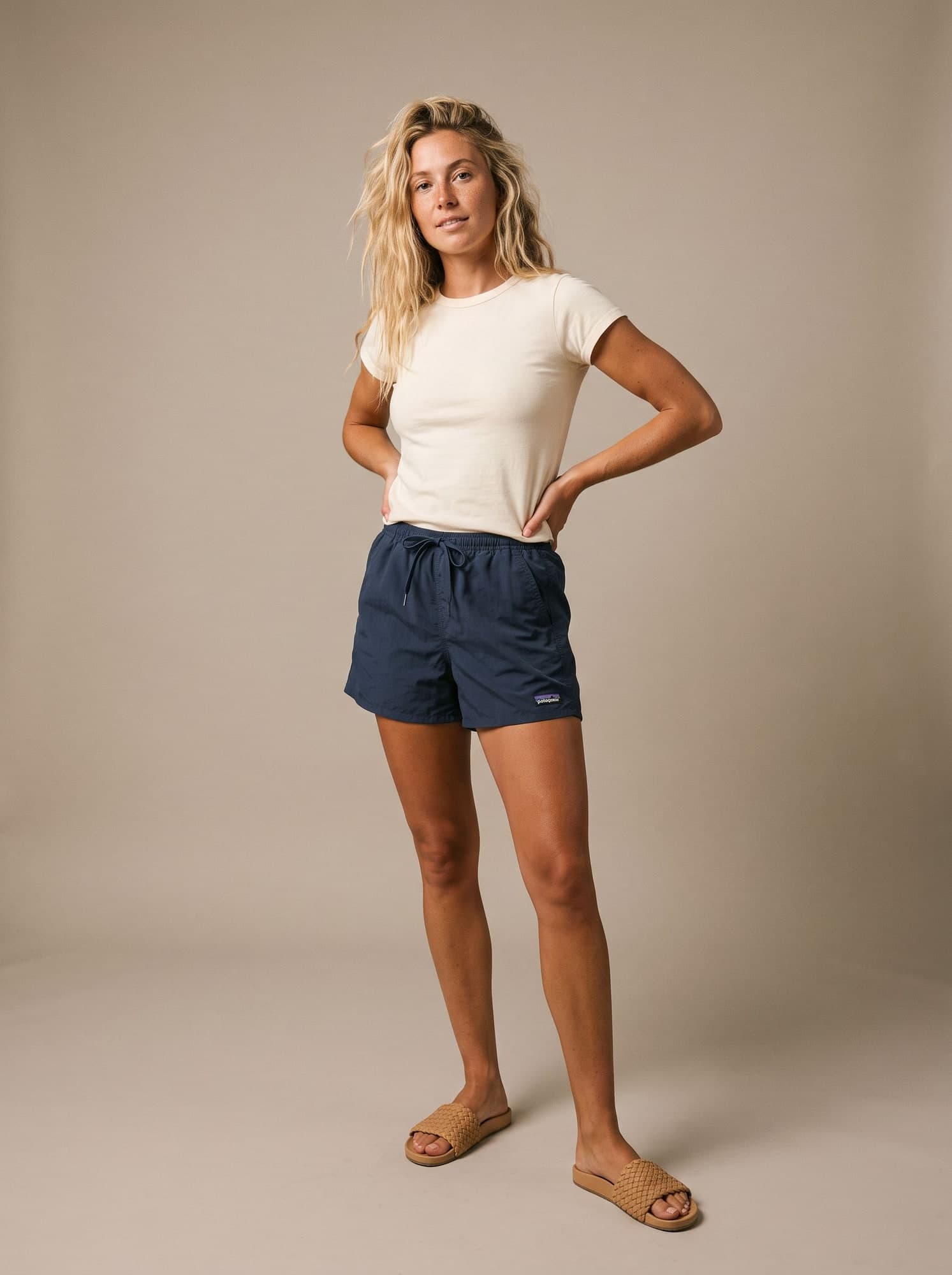 SSold
Patagonia
Baggies-Style Navy Nylon Shorts
$28Retail$45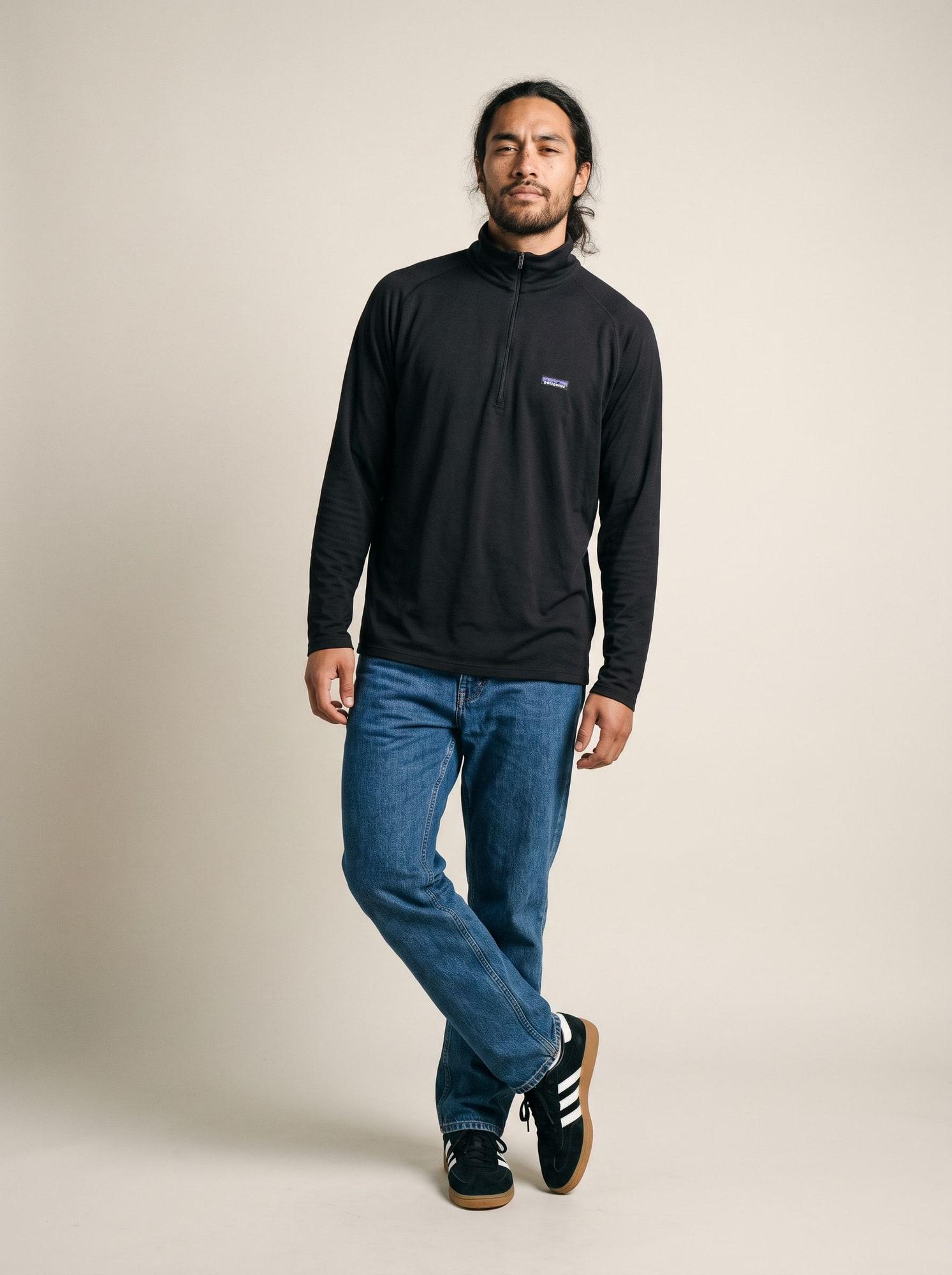 2XLSold
Patagonia
Men's Black 1/4 Zip Pullover
$28Retail$79
Sources
- TRUSS Archive: How to identify Patagonia
- Vintage Rare USA: Patagonia label history and iconic items
- Patagonia: NetPlus recycled fishing nets
- Patagonia press release (2011): Patagonia launches Common Threads Initiative
Drafted with AI tools; facts, dates and measurements checked by hand against the sources above and our own tags. Brand names are used to describe pre-owned pieces; we're independent and not affiliated with any brand.
Every piece is one of one
When it sells, it's gone. New pieces land every week.